
Why does no one talk about vaginal dryness?
It’s a question many women silently ask themselves.
Because of shame, myths, or simply lack of awareness, vaginal dryness is often ignored even though it’s extremely common and absolutely nothing to be embarrassed about.
It can happen at any age, not just after menopause. And the good news? You don’t have to live with it. There are effective solutions both medical and natural to feel comfortable and confident again.
Let’s break the stigma and talk about it openly.
What exactly is vaginal dryness?
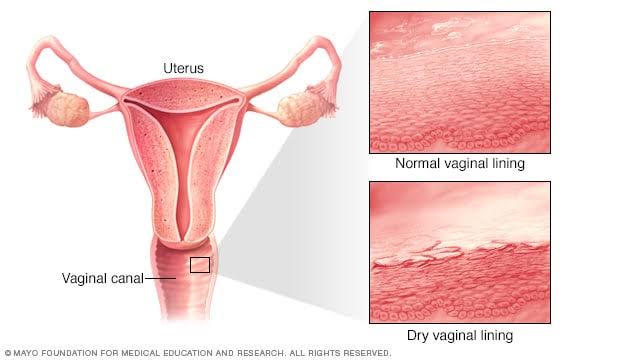
Vaginal dryness happens when your vagina doesn’t produce enough natural moisture.
This makes the vaginal walls feel dry, less elastic, and sometimes irritated.
It can cause:
Itching or burning sensation
Discomfort during intercourse
Frequent UTIs (in some cases)
General discomfort or pain in the vaginal area
It’s not “just in your head” it’s a real, physical condition that can affect your quality of life.
What causes vaginal dryness?

✅ Hormonal changes — especially around menopause, after childbirth, during breastfeeding, or due to low estrogen
✅ Certain medications — like antidepressants, allergy meds, or chemotherapy
✅ Stress & anxiety
✅ Harsh soaps or douches disrupting the vaginal pH
✅ Medical conditions — like Sjogren’s syndrome or diabetes
It’s important to know that it’s not your fault and you’re not alone.
How can you treat vaginal dryness?
Medical solutions
If dryness is severe or affecting intimacy, consult your doctor. Treatments may include:
Vaginal moisturisers: Over-the-counter gels that restore hydration over time.
Lubricants: To make intercourse more comfortable. Water-based or silicone-based are usually recommended.
Low-dose vaginal estrogen: Creams, tablets, or rings that help restore natural moisture if low estrogen is the cause.
Non-hormonal prescription creams: For those who can’t use estrogen.
Can lifestyle changes help?
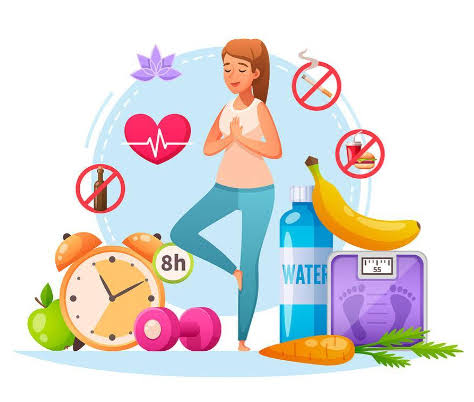
Absolutely! Small changes in your daily routine can make a big difference:
Drink plenty of water to stay hydrated.
Avoid harsh soaps, scented pads, or vaginal douches.
Choose cotton underwear and avoid tight clothing.
Use condoms or lubricants if dryness makes intercourse painful.
Manage stress through yoga, meditation, or exercise.
Quit smoking — it can worsen dryness and circulation.
Maintain a healthy diet rich in omega-3 and phytoestrogens (like flaxseed, soy).
Breaking the silence starts with you…